
Blog
BRICS Reloaded: Power Shift or Just a Bigger Table? Your Guide to the Expanded Bloc!

BRICS Expansion: The New Power Bloc?

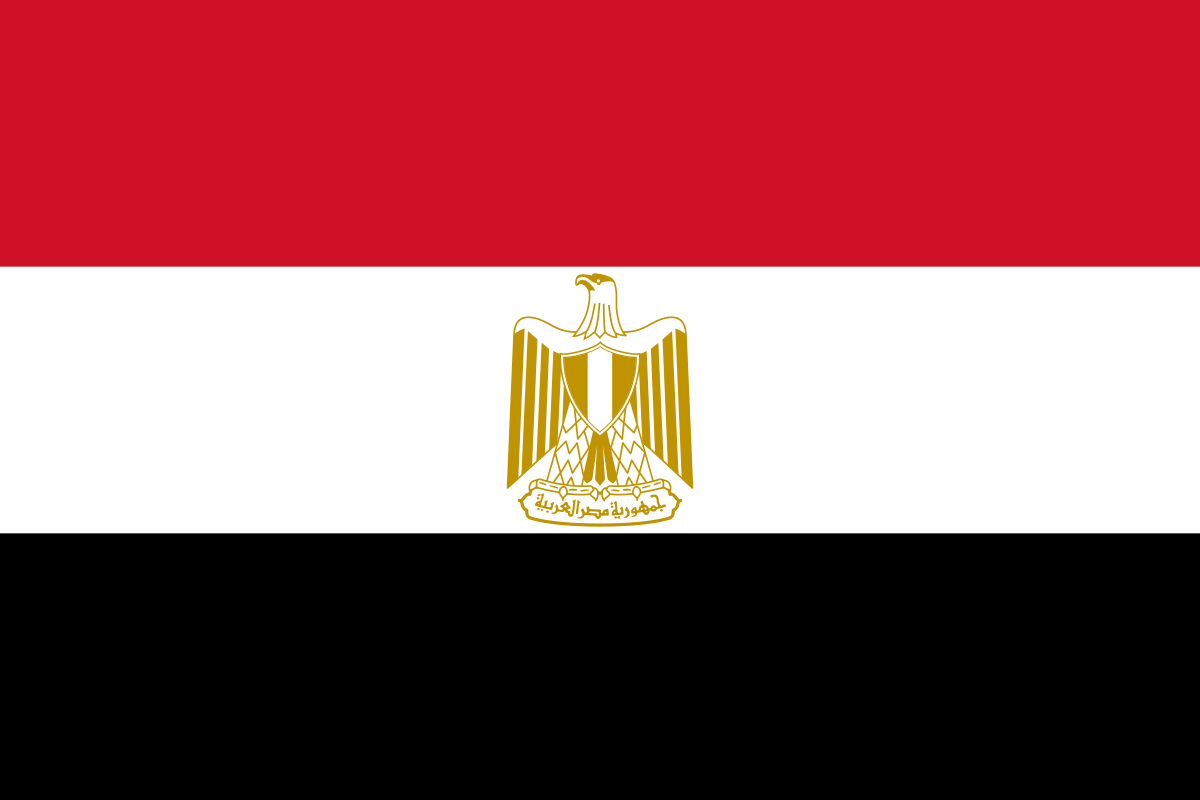
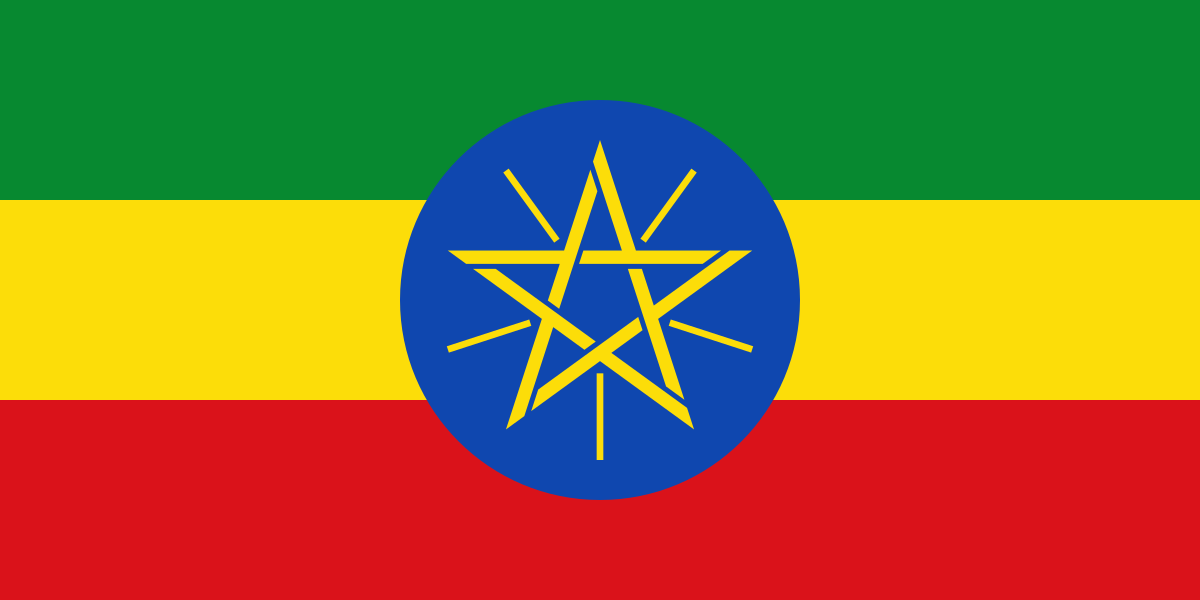

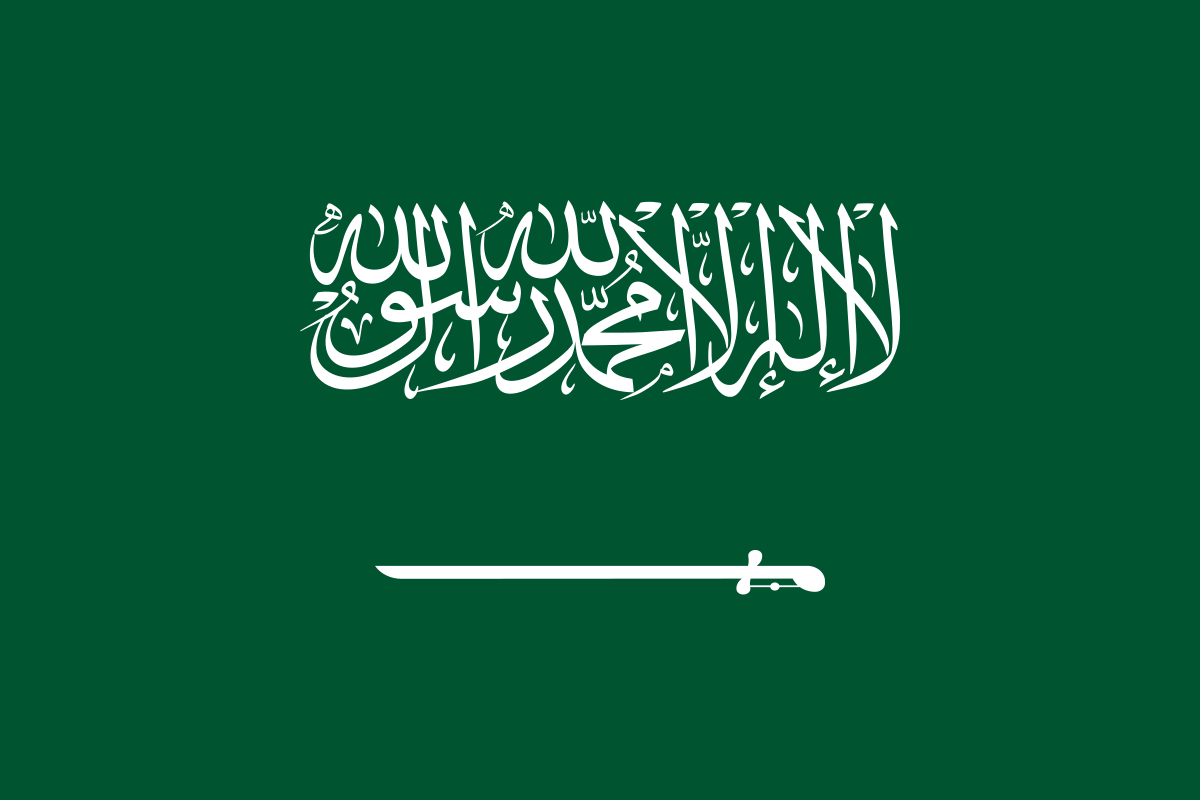
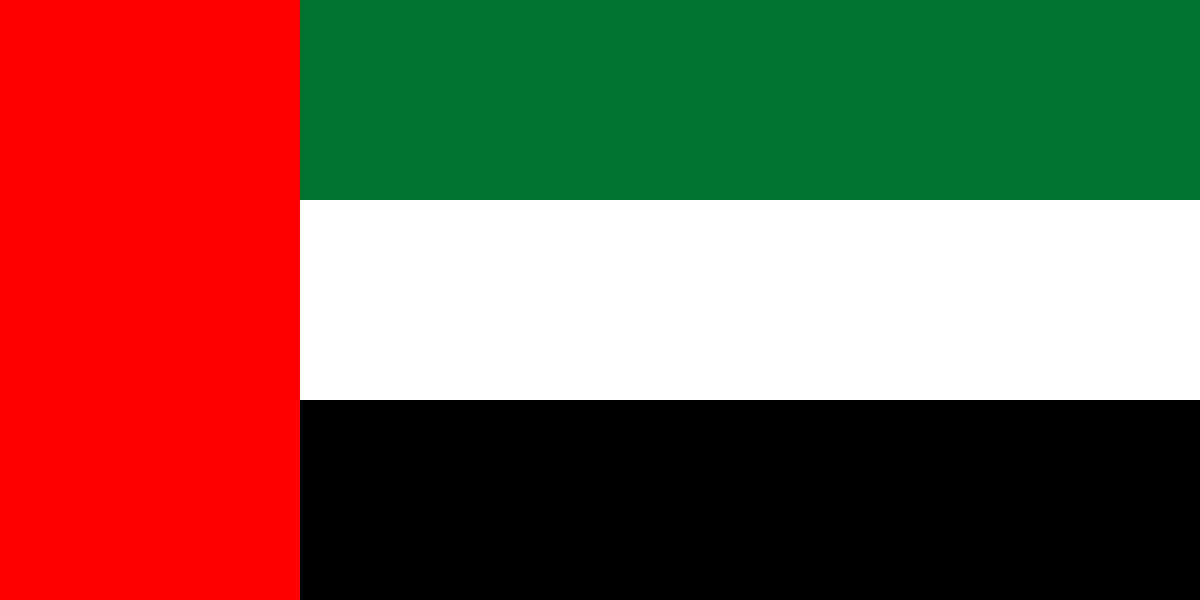
The New BRICS Members: A Changing World Order?
Breaking: The BRICS Expansion – A Complete Global Guide
The world order is shifting. And it’s happening faster than many predicted. The BRICS nations (Brazil, Russia, India, China, and South Africa) have officially expanded, welcoming six new members into their ranks: Argentina, Egypt, Ethiopia, Iran, Saudi Arabia, and the United Arab Emirates. This monumental decision, announced at the 15th BRICS summit in Johannesburg, South Africa, marks a significant reshaping of the global economic and geopolitical landscape. But what does it *really* mean? Is this the dawn of a new, multipolar world, or just a bigger, potentially more unwieldy, talking shop? Buckle up, because we’re diving deep into the implications.
Why the Expansion? A Quest for Influence and Alternatives
The expansion of BRICS is driven by a confluence of factors, primarily a desire among member nations to:
- Increase Global Influence: By bringing in nations with significant economic and political weight, the BRICS bloc aims to amplify its voice on the world stage and challenge the dominance of Western-led institutions like the G7 and the International Monetary Fund (IMF).
- Promote Multilateralism: BRICS champions a multipolar world order, where power is distributed more evenly among nations, as opposed to a unipolar system dominated by the United States.
- De-dollarization: A key objective is to reduce reliance on the US dollar in international trade and finance, fostering the use of local currencies and creating alternative payment systems. This is seen as a way to mitigate the impact of US sanctions and enhance economic sovereignty.
- Boost Economic Growth: The inclusion of new members with diverse economies is expected to stimulate trade and investment within the BRICS bloc, fostering sustainable economic growth and development.
The New Kids on the Block: A Profile of the Six New Members
Let’s meet the newest members of the BRICS club:
- Argentina: South America’s second-largest economy, rich in natural resources (especially lithium) and a key player in agricultural exports. However, Argentina is currently grappling with severe economic challenges, including high inflation and debt.
- Egypt: A strategically important nation in North Africa, controlling the Suez Canal and possessing a large and growing economy. Egypt is also a significant energy producer and consumer.
- Ethiopia: One of Africa’s fastest-growing economies, with a large population and ambitious development plans. Ethiopia is a landlocked country but a major hub for aviation and regional trade.
- Iran: A major energy producer and a country with significant geopolitical influence in the Middle East. Iran is currently subject to US sanctions, which have severely impacted its economy. Its inclusion is highly controversial.
- Saudi Arabia: The world’s largest oil exporter and a key player in global energy markets. Saudi Arabia is also investing heavily in diversifying its economy and reducing its reliance on oil.
- United Arab Emirates (UAE): A major financial and trading hub in the Middle East, with a diversified economy and significant investments in technology and renewable energy.
Economic Impacts: Trade, Investment, and the Rise of Alternative Currencies
The economic impacts of the BRICS expansion are far-reaching. The expanded bloc now represents a significant portion of the global population and GDP, making it a force to be reckoned with.
Increased Trade and Investment
The expansion is expected to boost trade and investment flows within the BRICS bloc. The new members bring diverse economies and resources to the table, creating new opportunities for cooperation and growth. For example, Argentina’s lithium resources could be crucial for China’s electric vehicle industry, while Saudi Arabia’s oil could help meet the energy needs of India and China.
De-dollarization Efforts Gain Momentum
The BRICS nations have been actively working to reduce their reliance on the US dollar in international trade. The expansion is likely to accelerate this trend, as the new members are also keen to diversify their currencies and reduce their vulnerability to US sanctions. This could lead to the development of alternative payment systems and the increased use of local currencies in trade settlements.
A Challenge to Western Financial Institutions?
The BRICS-backed New Development Bank (NDB) is often seen as an alternative to the World Bank and the IMF. With the inclusion of new members, the NDB’s influence and lending capacity could increase, potentially providing developing countries with an alternative source of funding for infrastructure projects and sustainable development initiatives. However, the NDB still faces challenges in terms of scale and governance.
Geopolitical Shifts: A More Multipolar World?
The BRICS expansion has significant geopolitical implications. It signals a shift towards a more multipolar world, where power is distributed more evenly among nations. This could lead to a decline in the influence of the United States and its allies, and a rise in the influence of China and other emerging powers.
Increased Influence of the Global South
The BRICS expansion strengthens the voice of the Global South in international affairs. The bloc now includes a diverse group of countries from Asia, Africa, and South America, representing a significant portion of the world’s population and economic output. This could lead to a greater emphasis on issues such as poverty reduction, climate change, and sustainable development in global policymaking.
Potential for Increased Geopolitical Tensions
The BRICS expansion could also lead to increased geopolitical tensions. The inclusion of countries like Iran, which are at odds with the United States and its allies, could exacerbate existing conflicts and create new ones. Furthermore, the growing influence of China and other emerging powers could challenge the existing world order and lead to increased competition for resources and influence.
The Challenges Ahead: Can BRICS Deliver on Its Promises?
Despite its potential, the BRICS bloc faces significant challenges. These include:
- Internal Disagreements: The BRICS nations have diverse interests and priorities, which can lead to disagreements and difficulties in reaching consensus.
- Economic Volatility: Some of the BRICS members are facing economic challenges, such as high inflation, debt, and currency volatility.
- Geopolitical Tensions: The BRICS bloc is not a homogenous group, and some of its members have strained relationships with each other and with other countries.
- The Russia Factor: Russia’s ongoing war in Ukraine and its resulting isolation from the West cast a long shadow over the bloc. Its membership is controversial to some and complicates relations with Western nations.
The Future of BRICS: A Wait-and-See Game
The BRICS expansion is a bold move that could reshape the global landscape. Whether it will succeed in creating a more multipolar world and fostering sustainable development remains to be seen. The success of the expanded BRICS bloc will depend on its ability to overcome internal challenges, build trust and cooperation among its members, and deliver on its promises of economic and political reform. The world is watching closely.
Key Facts at a Glance: The Expanded BRICS
| Member | GDP (Nominal, 2022) | Population (2023) | Key Industries |
|---|---|---|---|
| Brazil | $1.92 Trillion | 216 Million | Agriculture, Manufacturing, Mining |
| Russia | $1.78 Trillion | 144 Million | Energy, Mining, Manufacturing |
| India | $3.47 Trillion | 1.4 Billion | IT Services, Manufacturing, Agriculture |
| China | $17.73 Trillion | 1.45 Billion | Manufacturing, Technology, Trade |
| South Africa | $406 Billion | 60 Million | Mining, Manufacturing, Agriculture |
| Argentina | $631 Billion | 46 Million | Agriculture, Manufacturing, Energy |
| Egypt | $476 Billion | 112 Million | Tourism, Agriculture, Energy |
| Ethiopia | $118 Billion | 126 Million | Agriculture, Services |
| Iran | $389 Billion | 89 Million | Energy, Petrochemicals |
| Saudi Arabia | $1.11 Trillion | 37 Million | Energy, Petrochemicals, Finance |
| UAE | $509 Billion | 10 Million | Finance, Trade, Tourism, Energy |
Conclusion: A New Chapter in Global Politics
The BRICS expansion represents a significant development in global politics and economics. It signals a shift towards a more multipolar world and strengthens the voice of the Global South. However, the bloc also faces significant challenges, and its success will depend on its ability to overcome internal disagreements and deliver on its promises. Only time will tell if the expanded BRICS can truly reshape the global landscape.